
In the Orthodox Church, Bridegroom Services are special services held during the first part of Holy Week (the week leading up to Pascha). They are deeply symbolic, solemn, and focused on spiritual watchfulness and repentance.
What they are
Bridegroom Services are typically celebrated on:
- Sunday evening (for Holy Monday)
- Monday evening (for Holy Tuesday)
- Tuesday evening (for Holy Wednesday)
Liturgically, they are actually Matins (morning prayer services) celebrated in the evening.
Why they’re called “Bridegroom” services
The name comes from the central theme: Christ as the Bridegroom of the Church.
This imagery comes especially from:
- The Parable of the Ten Virgins (Matthew 25:1–13)
- The idea that Christ comes unexpectedly, like a bridegroom arriving at night
Main themes
The services emphasize:
- Watchfulness and readiness for Christ’s coming
- Repentance and spiritual vigilance
- Judgment and accountability
- The contrast between faithfulness and spiritual neglect
They call believers to examine their lives and be prepared—not spiritually “asleep.”
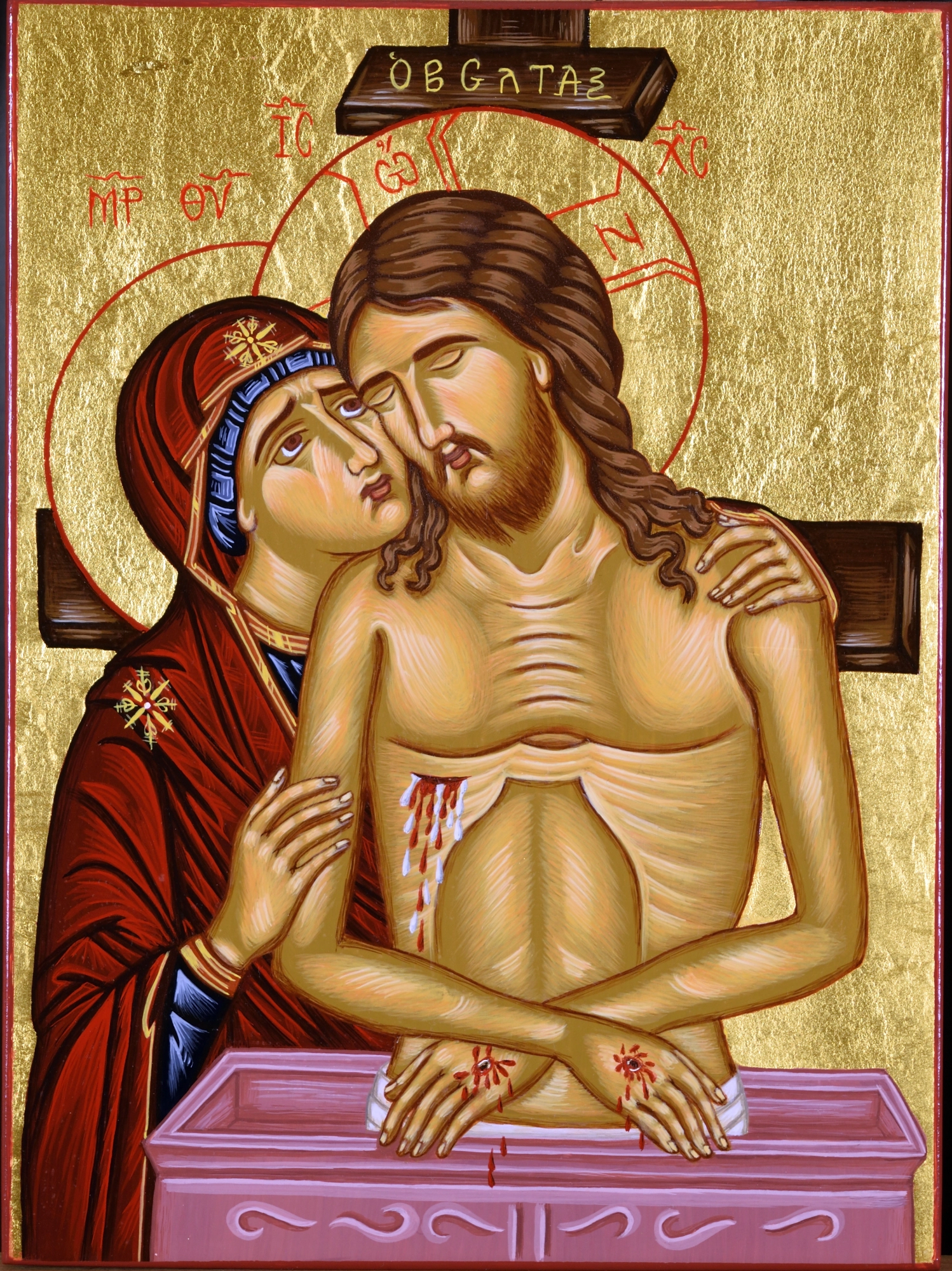
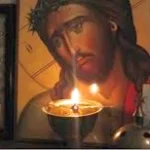
Icon of the Bridegroom
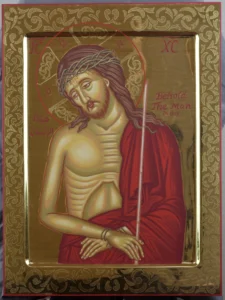
During these services, an icon of Christ—known as “The Bridegroom”—is brought in solemn procession and then placed for veneration.
- The icon of Christ The Bridegroom is brought out
- Often in dim lighting with candles
- Placed in the center of the church
Meaning:
- Christ stands before us in humility and suffering
- The Bridegroom is already rejected, mocked, and wounded
- Yet He still comes to unite Himself to His people
- Christ is shown wearing a crown of thorns
- Dressed in a robe of mockery
- With a calm, suffering expression
This highlights the paradox:
The Bridegroom is also the suffering Christ on His way to the Cross.
Overall tone
- Quiet, solemn, and reflective
- Slower, often in darker lighting
- Encourages deep introspection before the events of the Passion unfold later in Holy Week
In short
Bridegroom Services are about this message:
Christ is coming—be spiritually awake and ready to meet Him.
The Troparion: “Behold, the Bridegroom comes…”
This is the heart of the service and is sung 3 times.
“Behold, the Bridegroom cometh in the middle of
the night, and blessed is that servant whom He
shall find watching; and again unworthy is he
whom He shall find heedless. Beware, therefore,
O my soul, lest thou be borne down with sleep,
lest thou be given up to death, and be shut out
from the Kingdom. But rather rouse thyself and
cry: Holy, Holy, Holy art Thou, O our God.”
Meaning:
- Christ comes unexpectedly
- Midnight symbolizes the hour of judgment / end of life
- The faithful must be awake spiritually, not distracted or careless
👉 This hymn alone summarizes the entire theology of Holy Week’s beginning.
Holy Monday Bridegroom Service
(served Sunday evening)
✧ Theme: Fruitfulness vs. Barrenness
Gospel & Images:
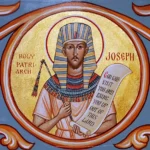
- Joseph the Patriarch (Genesis)
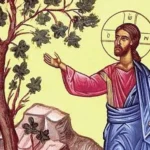
- The barren fig tree (Matthew 21)
✧ Spiritual Meaning
Joseph becomes a type of Christ:
- Betrayed by his brothers
- Sold for silver
- Yet becomes the savior of those who rejected him
➡️ Just as Joseph the Patriarch prefigures Jesus Christ, we see already the Passion beginning.
The fig tree, however, gives a warning:
- It has leaves (appearance of life)
- But no fruit (no real spiritual life)
➡️ A powerful image of:
- outward religion without inner transformation
- form without substance
✧ Pastoral Insight
“It is possible to look alive… and yet be spiritually barren.”
This service asks:
- Do I only appear faithful?
- Or is there real fruit—love, repentance, mercy?
Holy Tuesday Bridegroom Service
(served Monday evening)
✧ Theme: Watchfulness vs. Negligence
Gospel:
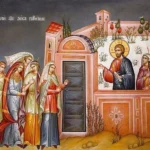
- The Parable of the Ten Virgins (Matthew 25)
✧ Spiritual Meaning
Five were wise. Five were foolish.
All were called.
All fell asleep.
But only some were prepared.
➡️ The difference was not sleep—but readiness.
✧ The Oil
The oil in the lamps is understood by the Fathers as:
- the Holy Spirit
- virtues
- a life of love and mercy
✧ The Tragedy
“And the door was shut…”
Not because God is harsh—
but because life was lived unprepared.
Holy Wednesday Bridegroom Service
(served Tuesday evening)
✧ Theme: Repentance vs. Betrayal
Gospel:
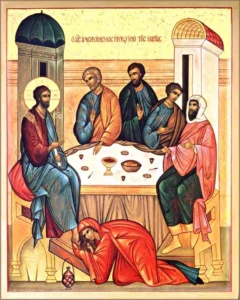
- The sinful woman who anoints Christ
- In contrast with Judas Iscariot
✧ Two Responses to Christ
One woman:
- falls at His feet
- weeps
- offers her love
➡️ She is forgiven.
One disciple:
- walks with Him
- hears Him
- yet betrays Him
➡️ He falls into darkness.
✧ The Famous Hymn (Kassiani)
One of the most profound hymns in the Church:
“The woman who had fallen into many sins…
perceiving Thy divinity, O Lord…”
✧ Spiritual Meaning
The contrast is striking:
- Sin is not the problem
- Lack of repentance is
✧ Pastoral Insight
“Better a sinner who weeps… than a disciple who betrays.”
This service asks:
- Do I approach Christ with love?
- Or do I keep Him at a distance while claiming to follow Him?